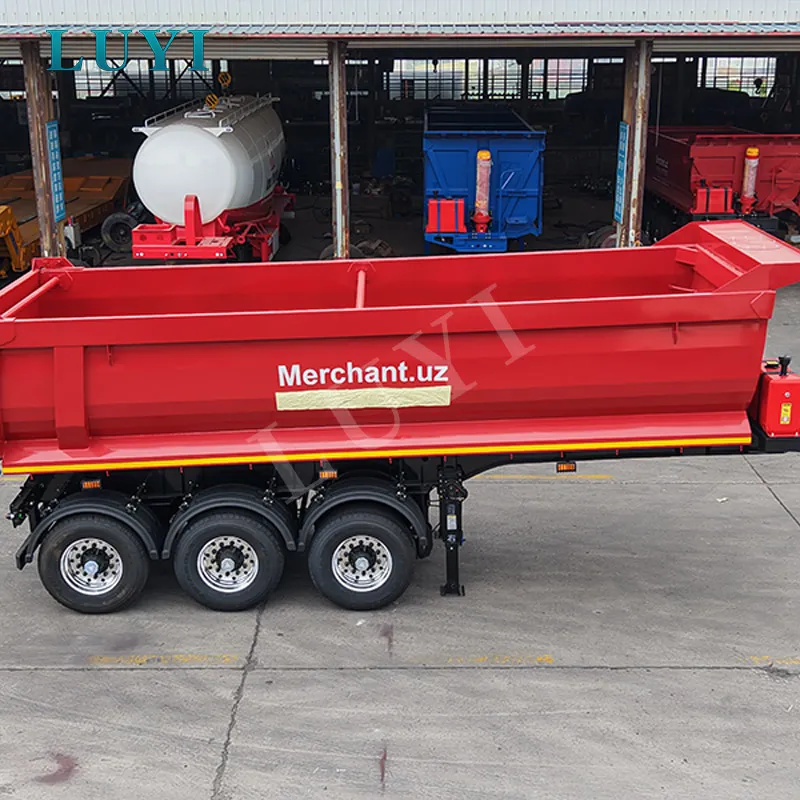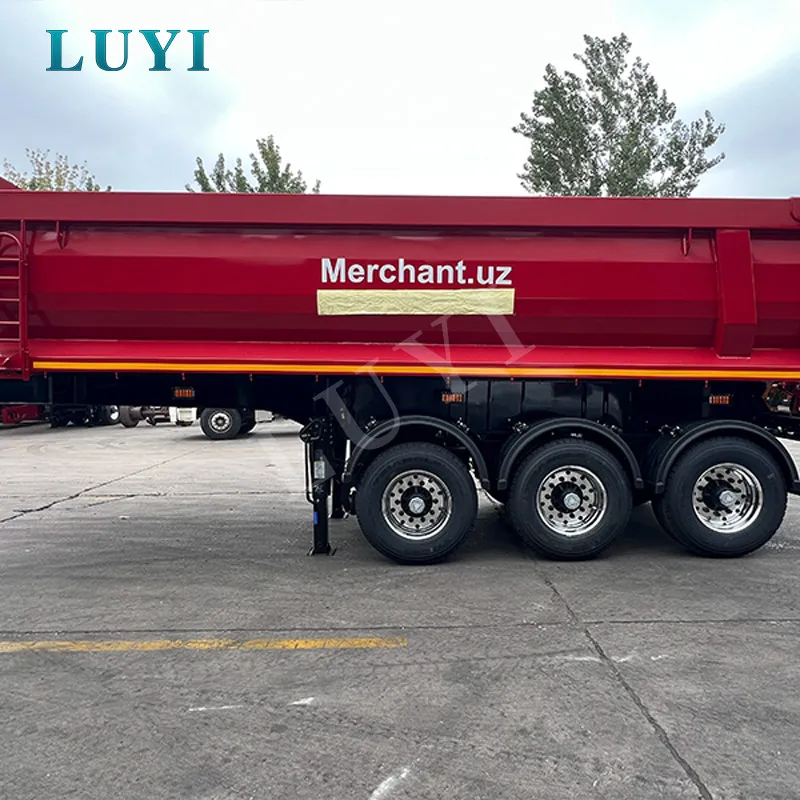

Saudi Arabia’s ongoing Vision 2030 initiative has driven tremendous urban expansion and infrastructure works nationwide, with several new city developments running non-stop all year round. These large-scale building projects create huge and diverse on-site transport pressure, which calls for tough, adaptable haulage equipment. Combining flatbed and tipper semi-trailers in one fleet has proven practical on local sites, as it suits real construction needs, keeps operational costs low and delivers consistent transport output every day.
This trailer capacity layout is customized to fit Saudi Arabia’s unique road features and actual site workloads. Ordinary three-axle semi-trailers can safely carry 40 to 60 tons, which is enough to cover most daily material delivery tasks on construction sites. For heavier and oversized cargo, upgraded four-axle trailers are deployed, with a peak payload of up to 80 tons. Flatbed units mainly carry steel frames, precast building parts and mobile construction machinery, while hydraulic tipper trailers are used for loose bulk materials including sand, gravel and building aggregates. This mixed equipment setup can handle almost all common transport tasks during new city development.
Each trailer is built with corrosion-resistant galvanized frames and higher ground clearance, making it well-suited to the region’s tough environment, such as extreme desert heat, frequent sandstorms and humid coastal air. Running these two trailer types side by side effectively cuts down idle time and makes better use of on-site transport resources. Well adapted to the fast, high-volume construction pace of NEOM, Qiddiya and other emerging cities, this solution helps enterprises save unnecessary logistics costs and secure continuous material supply, ensuring smooth progress for local infrastructure development.